
The Tiranga: A Symbol of Courage, Unity, and National Belonging
The Indian National Flag, proudly known as the Tiranga, transcends being a simple national emblem; it is the very heartbeat and living soul of the republic. Every thread of this tricolor canvas weaves a story of resilience, capturing the fundamental democratic ideals of identity, absolute unity, and unwavering liberty that hold the diverse Indian subcontinent together. Embedded within its fabric are the immense sacrifices, visionary dreams, and relentless struggles of millions of freedom fighters. Their collective grit ultimately carved out the independent India we know today. Beyond its rich historical legacy, the Tiranga serves as a vibrant mirror reflecting India’s multifaceted culture, its ancient heritage, and its indomitable modern spirit. Whether hoisted high at national monuments or waving in the hands of citizens worldwide, it continuously ignites a fierce sense of national pride, resilience, and a deep-rooted belonging, seamlessly uniting Indians across the globe under its three glorious colors.
The Historical Evolution and Origin of the Indian Tricolor
The origin story of the Tiranga is intrinsically tied to India’s arduous but triumphant journey toward self-governance and true identity. Serving as a powerful, unifying beacon during the decades-long Indian independence movement, the flag experienced multiple historical iterations before achieving its ultimate design. This finalized version was officially adopted by the Constituent Assembly on July 22, 1947, a pivotal moment just days before the nation awakened to its hard-won freedom.
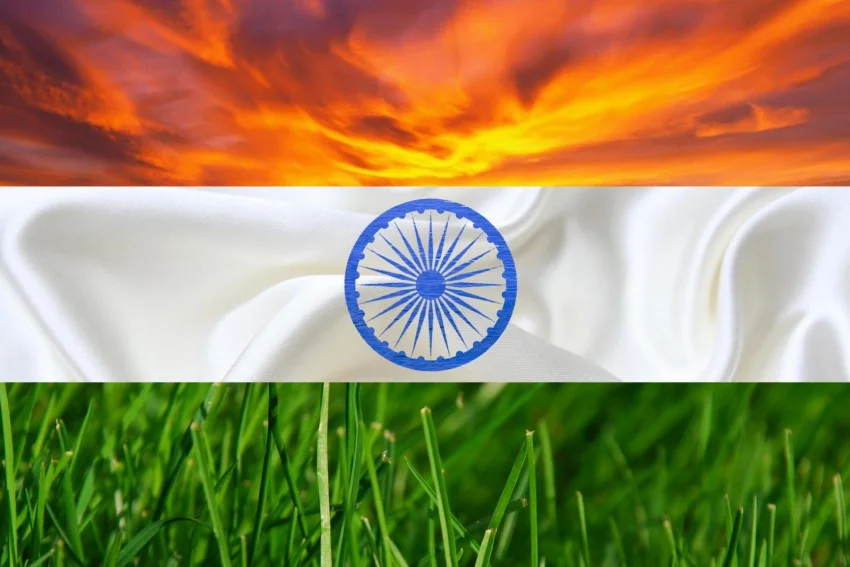
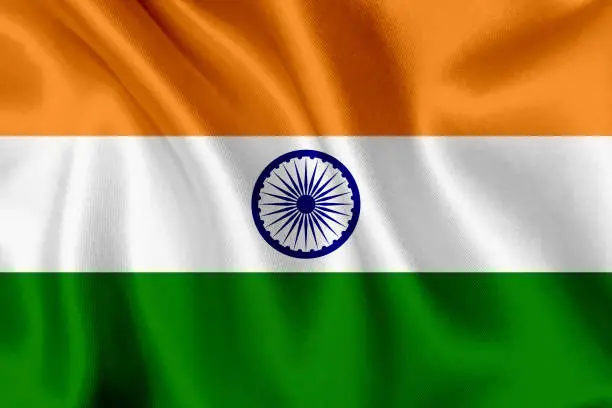
The specific hues of the flag were carefully selected to represent profound national philosophies rather than mere aesthetic appeal. Saffron (Kesari) stands for immense courage, strength, and selfless sacrifice. White signifies peace, purity, and the pursuit of truth. Green represents faith, fertility, and the rich agricultural bounty of the Indian soil. Anchoring these colors in the center is the navy blue Ashoka Chakra. This 24-spoke wheel represents the eternal wheel of law (Dharma) and righteousness, symbolizing that there is life in continuous progress and acting as the nation's permanent moral compass.